
Selling Inherited Land in Montana: A Plain-English Guide for Heirs
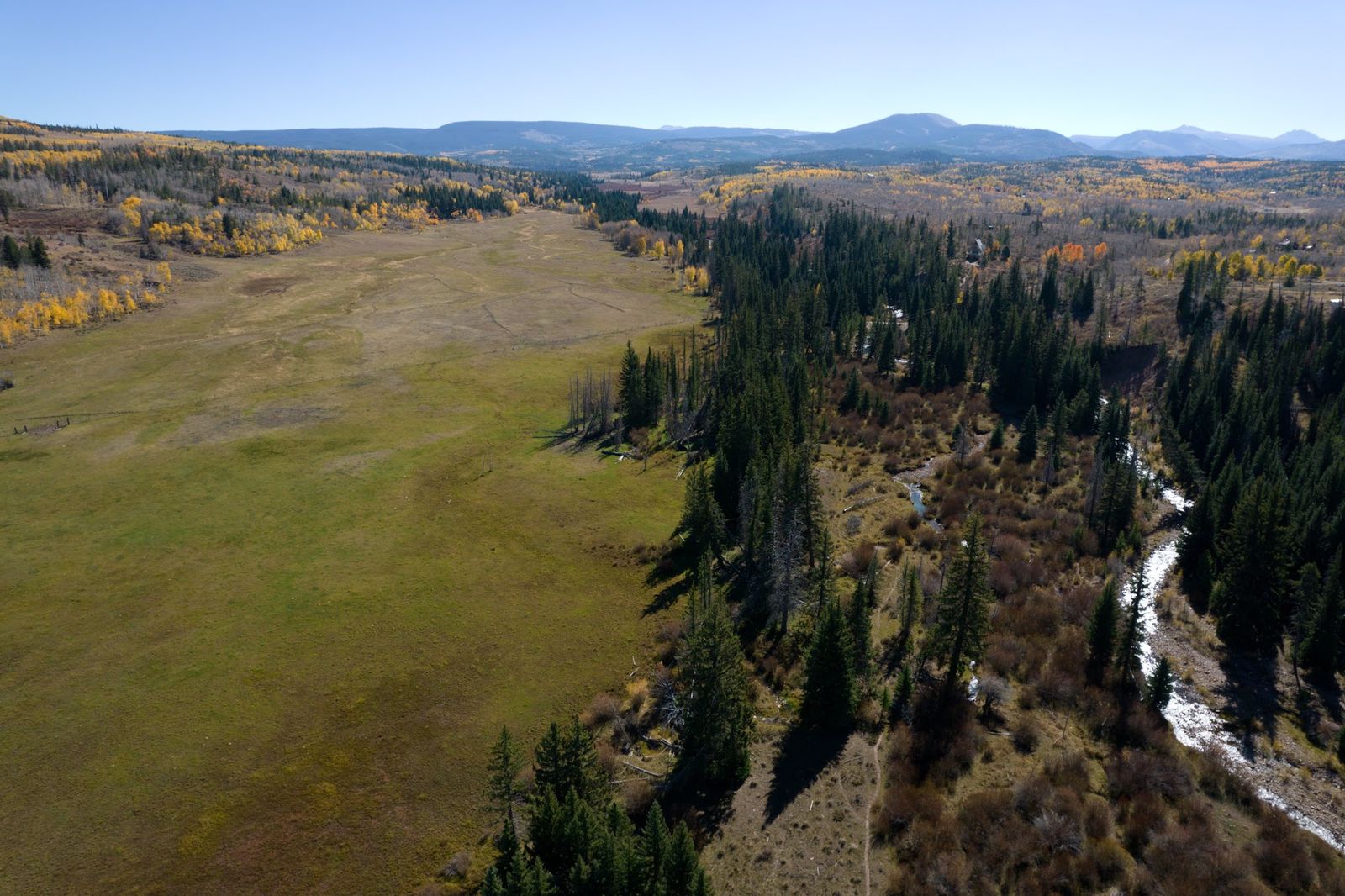
When you inherit Montana land
Inheriting land often comes with mixed feelings. It may be a place full of family memories. It may also be a property you've never seen, in a county you've never visited, with a tax bill that just landed in your mailbox.
This guide walks through the basics of selling inherited land in Montana: whether you'll need probate, what a personal representative does, how to handle multiple heirs, and what to do if the title isn't clean. It's general information to help you understand your options.
This isn't legal or tax advice. Every estate is different. Talk with a Montana probate attorney and a tax professional about your situation.
Probate or no probate?
The first question is how the land passed to you. That determines what has to happen before it can be sold.
If the person who died owned the land in their own name alone, it usually has to go through probate. Probate is the court process that confirms who has authority over the estate, pays debts, and transfers property to the people entitled to it.
Some land passes without probate. Common examples include land held in a living trust, land owned in joint tenancy with right of survivorship, and land with a recorded transfer-on-death deed, sometimes called a beneficiary deed. In those cases, the title company will typically need a death certificate and certain recorded documents, but not a full probate.
If you're not sure how the land was held, look at the most recent deed. You can usually get a copy from the county clerk and recorder's office, and a title company can also tell you.
The personal representative's role
In a Montana probate, the court appoints a personal representative, often called the PR. If there's a will, it usually names who should serve. If there's no will, state law sets the order of who can be appointed, usually starting with a spouse or adult children.
The PR manages the estate. That includes finding and protecting assets like land, paying valid debts and taxes, and eventually distributing what's left to the heirs or beneficiaries.
In general, the PR needs authority from the court to sell estate land. Once appointed, the PR is typically the person who signs the purchase agreement and deed on behalf of the estate. The estate's attorney can explain exactly what authority the PR has and whether any court approval or notice to heirs is required.
A practical point: you don't always have to wait until probate is finished to find a buyer. Many buyers, including us, can sign a purchase agreement while probate is underway and close once the PR has authority to sell.
When there are multiple heirs
It's common for Montana land to pass to several siblings or cousins at once. If everyone agrees to sell, the process is usually straightforward: the PR, or all the owners if the land has already been distributed, sign the closing documents and the title company divides the proceeds.
When heirs disagree, things get harder. One sibling may want to keep the land for hunting. Another may need the money. Another may not answer the phone.
- Get everyone the same information. Share the tax bill, any offers, and what it costs to keep the land.
- Talk about a buyout. Sometimes the heir who wants the land can buy out the others.
- Get a neutral opinion of value so everyone is working from the same number.
- If you're truly stuck, a Montana attorney can explain options, including what happens if co-owners can't agree.
If you live out of state
Many heirs to Montana land live elsewhere. That's not a barrier to selling. Montana title companies work with out-of-state sellers all the time. Documents can be sent to you, signed in front of a notary near you, and returned. Proceeds can be wired to your bank.
The harder part is knowing what you own. If you can't visit, ask a local buyer or agent to look at the parcel and send photos. Check whether the property taxes are current. And find out whether there's legal access, which matters a great deal for value.
When the title has problems
Inherited land is where title problems most often show up. A grandparent died decades ago and the land was never probated. An heir has since died, too. Someone on title can't be found. The legal description doesn't match the fences.
These problems are fixable more often than people think, but they take time and the right help. Our sister company TitleQuest Pro focuses on heirship and curative title work, so land with a tangled history can still be sold.
Taxes and costs to keep in mind
While you decide what to do, keep the property taxes current if you can. Unpaid taxes add penalties and interest and can eventually put the land at risk.
Selling inherited property can also have income tax consequences. In many cases heirs receive what's called a stepped-up basis, which can reduce taxable gain, but the rules depend on your situation. A tax professional can explain how it applies to you.
This isn't legal or tax advice. Talk to a qualified professional before making decisions.
Your next step
If you've inherited Montana land and don't plan to keep it, start by finding the deed, checking the tax status, and talking with the family. If probate is needed, find a Montana probate attorney.
When you're ready to talk about selling, we're happy to help. Learn how we buy inherited land in Montana, or call us at (406) 920-1095. No pressure, and the advice is free either way.